Hamara School

About Social Emotional Learning?

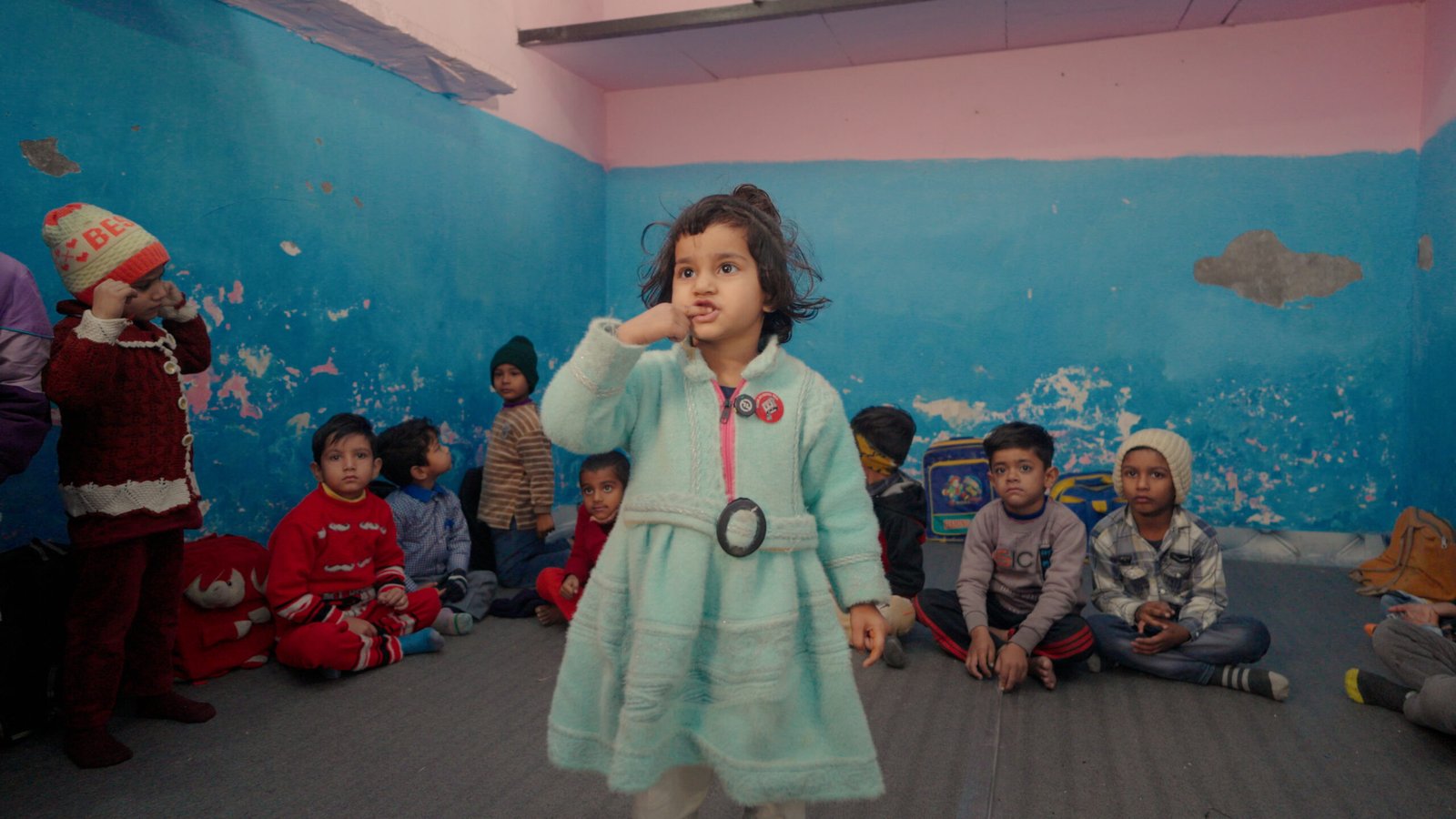
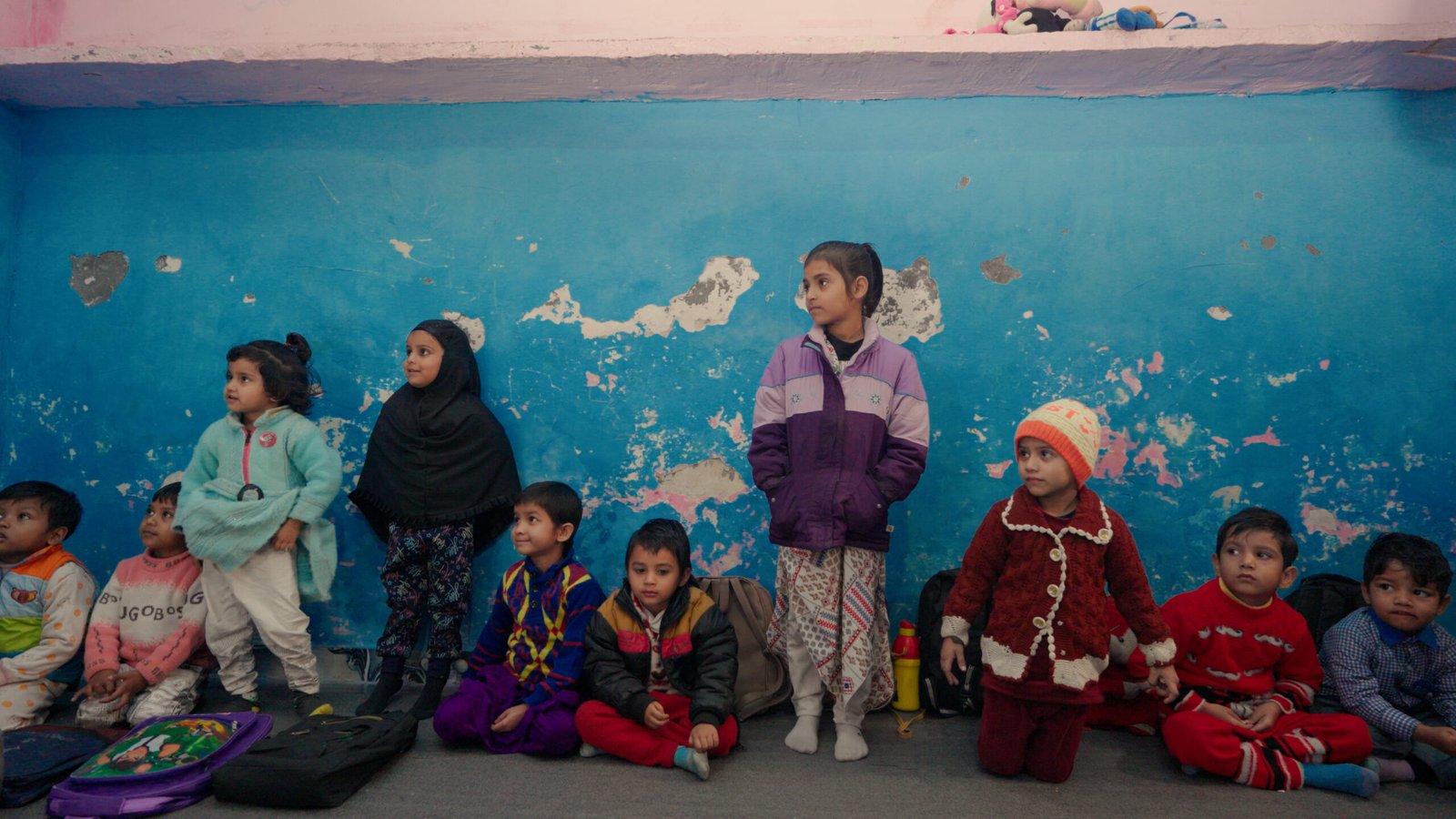
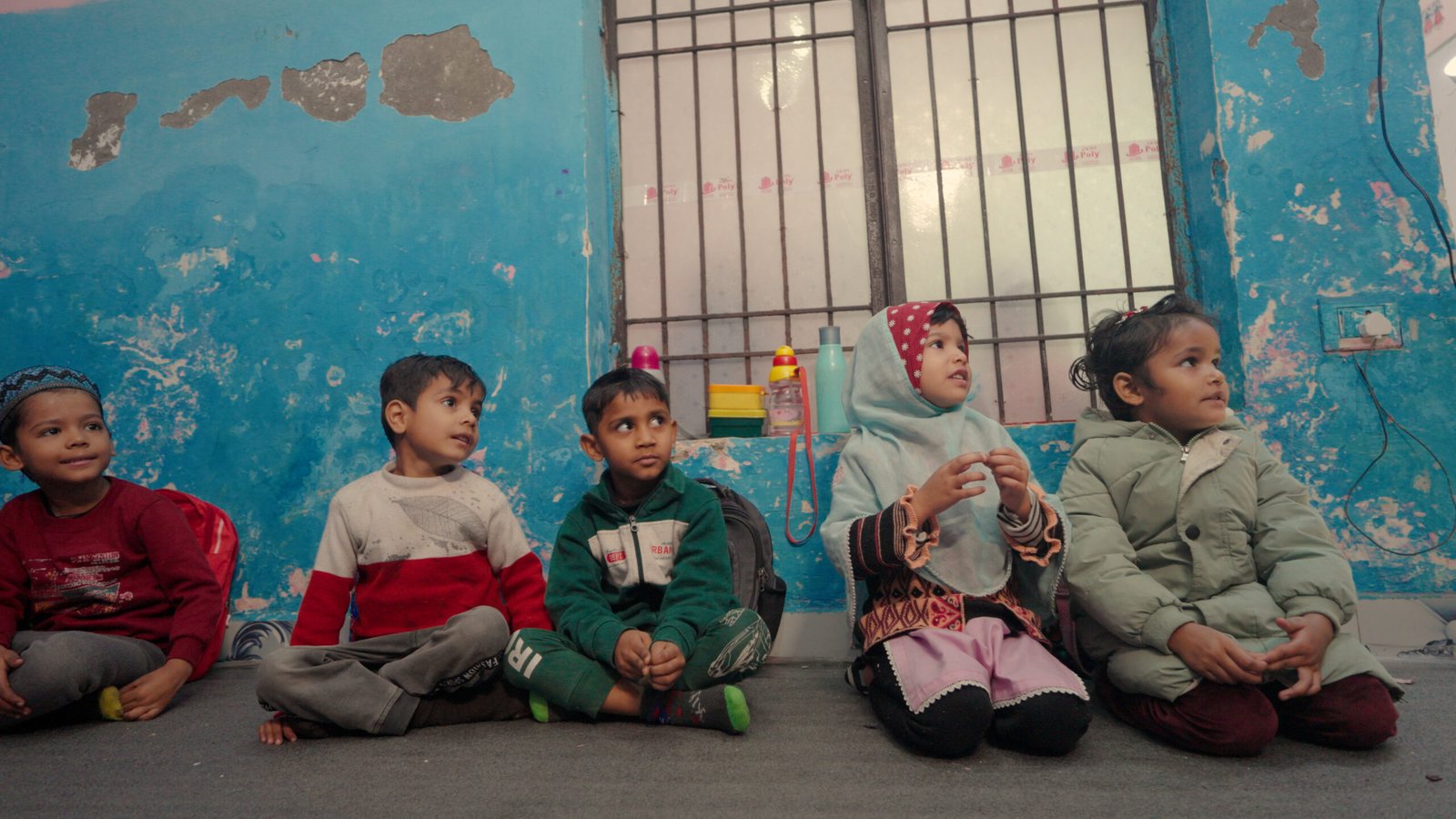
Building a fostering environment in marginalized communities, where children feel emotionally secure, respected, and valued. This is achieved through Social Emotional Learning (SEL) classes that are grounded in a trauma-informed and diversity-inclusive approach. Such spaces recognize and respond to students’ emotional needs, lived experiences, and cultural identities, promoting not just academic learning, but also emotional resilience, empathy, and healthy relationships
VISION

To create a world where mental health is recognized as a universal need beyond privilege or background by integrating mental health awareness into education through trauma-informed, diversity-inclusive Social-Emotional Learning. We envision learning spaces that honor the emotional realities of every child, bridge systemic gaps, and foster healing, equity, and holistic growth for all.

THE GAP

There remains a critical gap in the education system, where real-life skills such as experiential learning, creativity, emotional intelligence, and inclusivity are often overlooked. The overemphasis on theoretical academics, while neglecting social-emotional and civic development, not only hinders individual growth but also contributes to the broader degradation of society, manifesting in disconnection, intolerance, and an inability to coexist meaningfully.

NEED

To address the unrecognized trauma caused by poverty, discrimination, violence, and systemic neglect.

To promote emotional safety and a sense of belonging in learning environments.

To empower educators to respond with compassion instead of punishment.

Build critical life skills like self-awareness, empathy, resilience, and
healthy relationships.

To prevent exclusion by reducing behavioral misunderstandings and stigma.

To support holistic development by integrating healing with academic growth.

THE TRANSFORMATION

Some Examples to higlight our Intervention Modules

For the years 2024-2025, some of the topics that we have covered in our SEL class, purely based on the needs of the
children, and how their socio-cultural space dictates those needs. The topics were such as

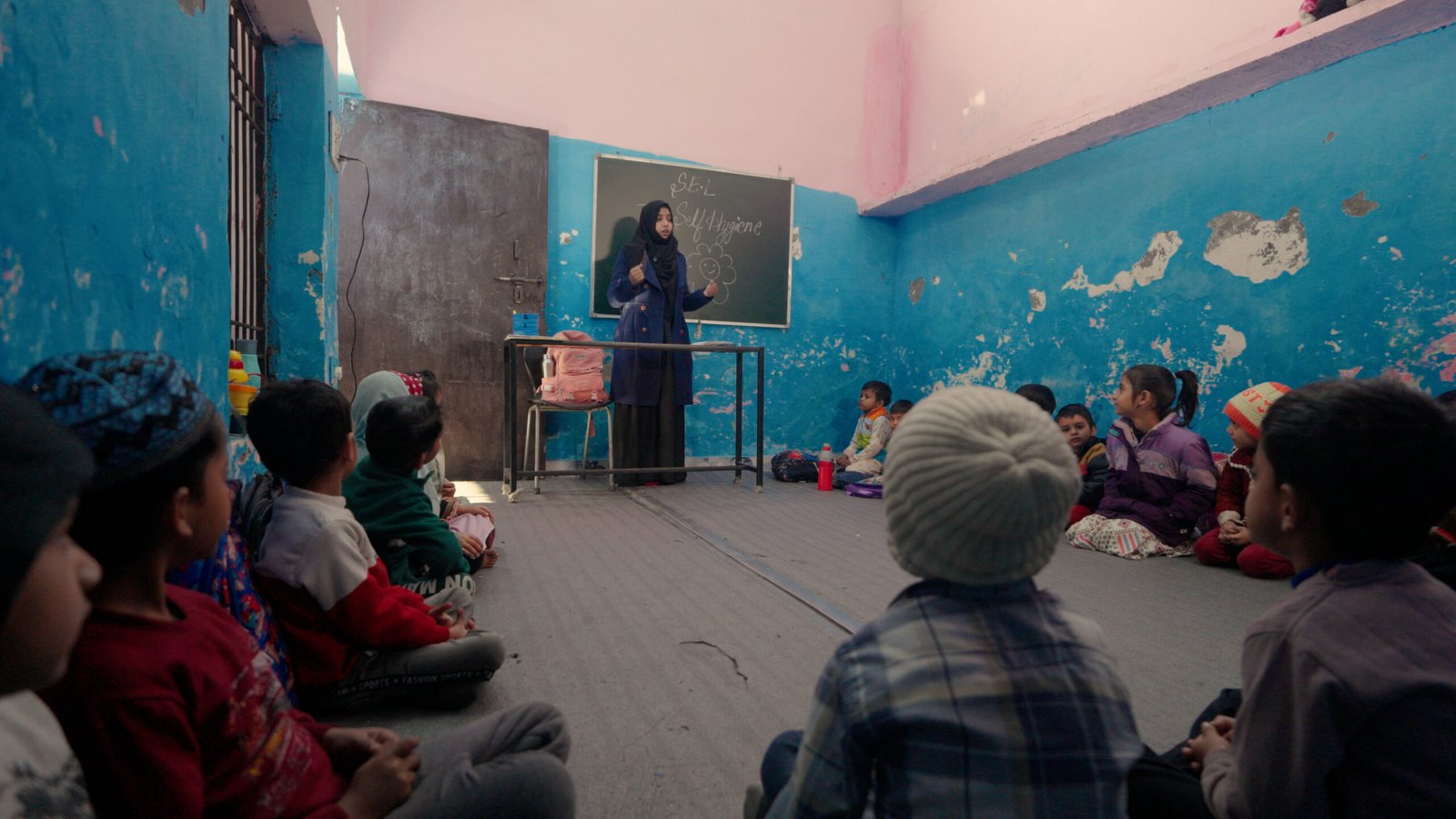
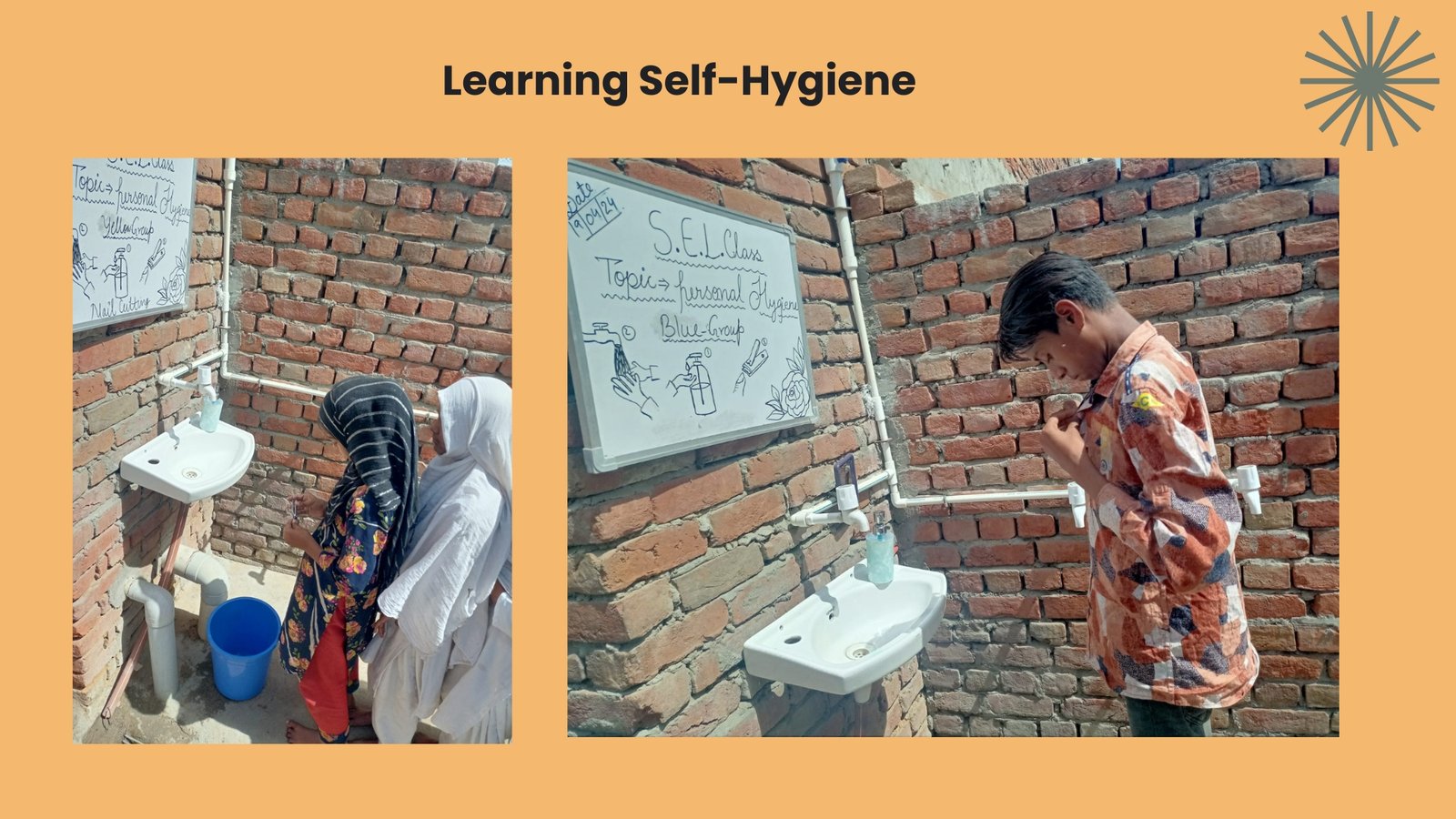
Self-hygiene – Self-awareness & self-management – building a sense of self-confidence & self-care.

Keeping our environment clean (Home, school, surroundings)- Self-management & Social awareness

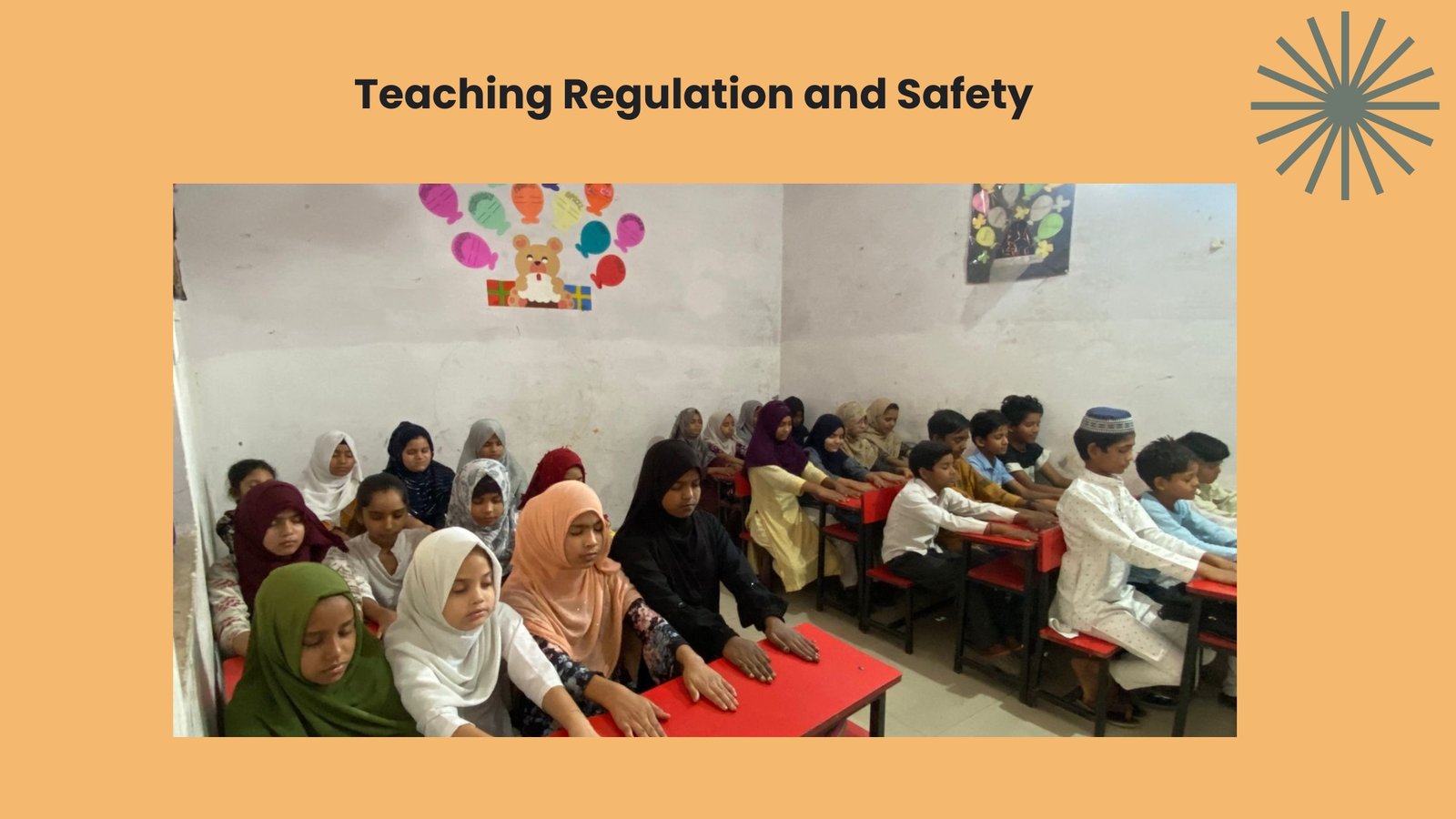
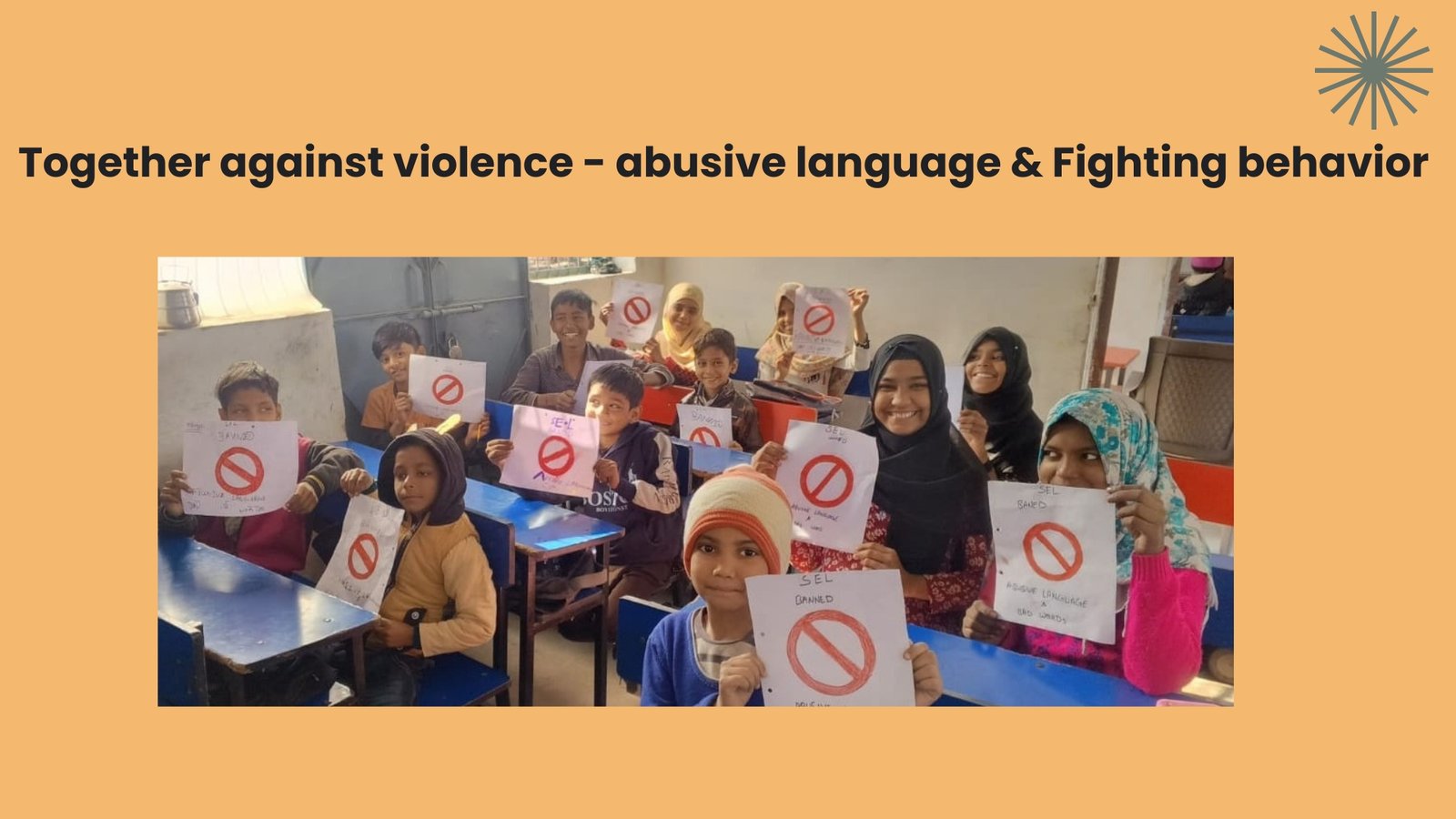
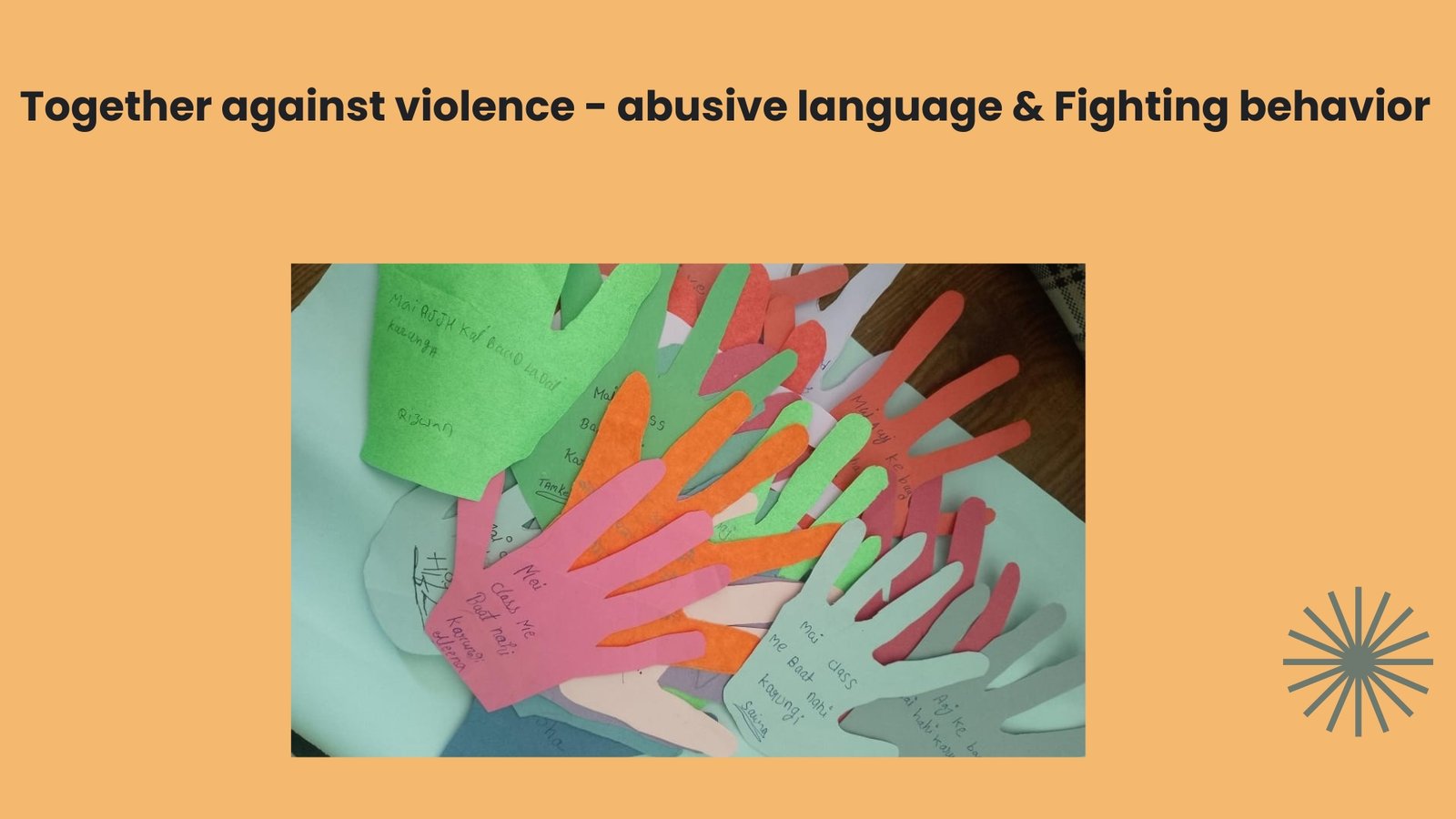
Learning about abusive language and fighting behavior – Self-awareness, self-management, social
awareness, and responsible decision making.

Wearing clean clothes – Self-awareness & self-management – building a sense of self confidence & self- care.

Learning about good deeds, bad deeds, and helping behavior Self-awareness & Social-awareness

Learning personal safety, protection, and responsible behavior – Self-awareness, Self-management, Social-awareness & Responsible decision-making.

IMPACT STORIES

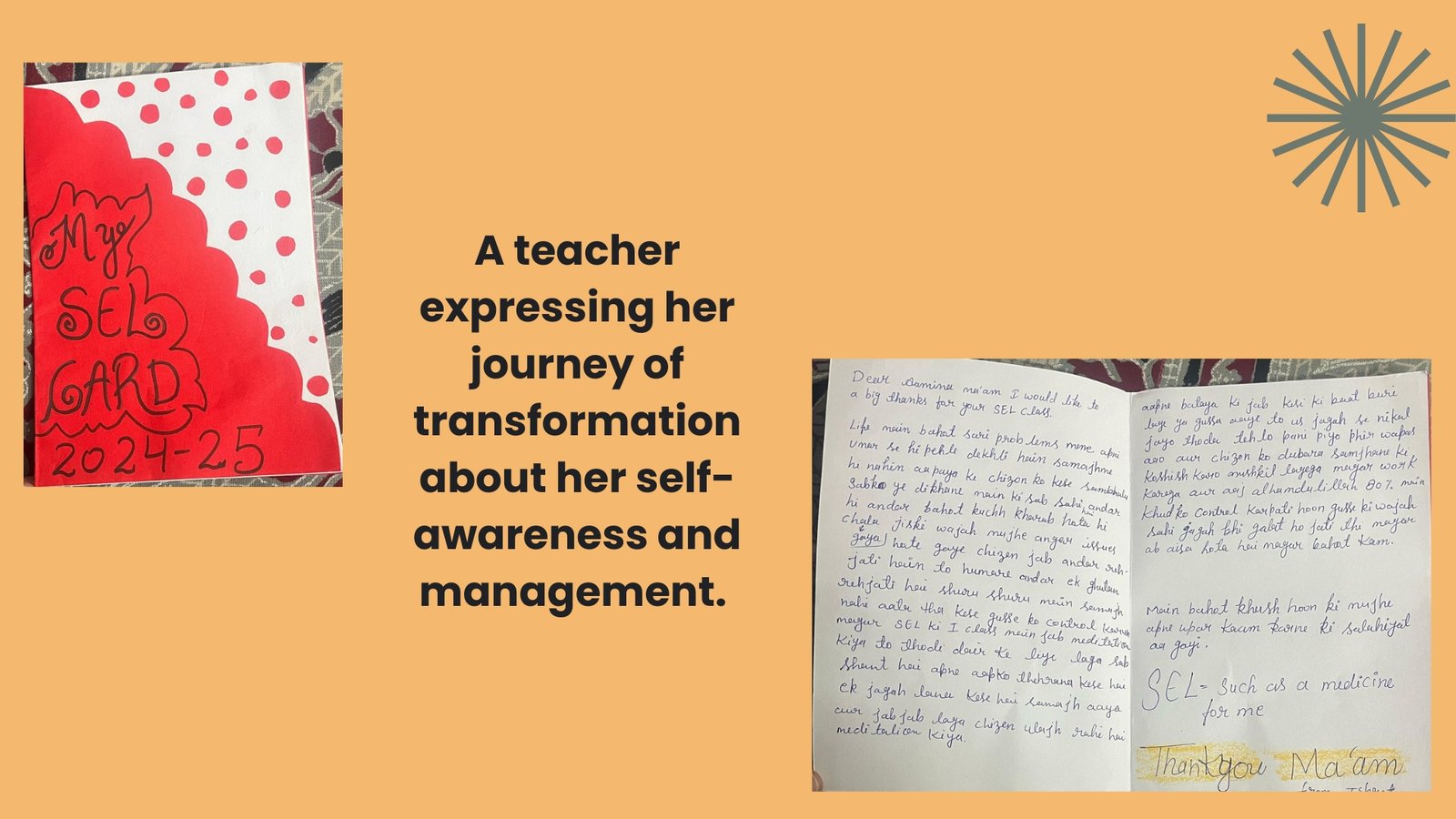
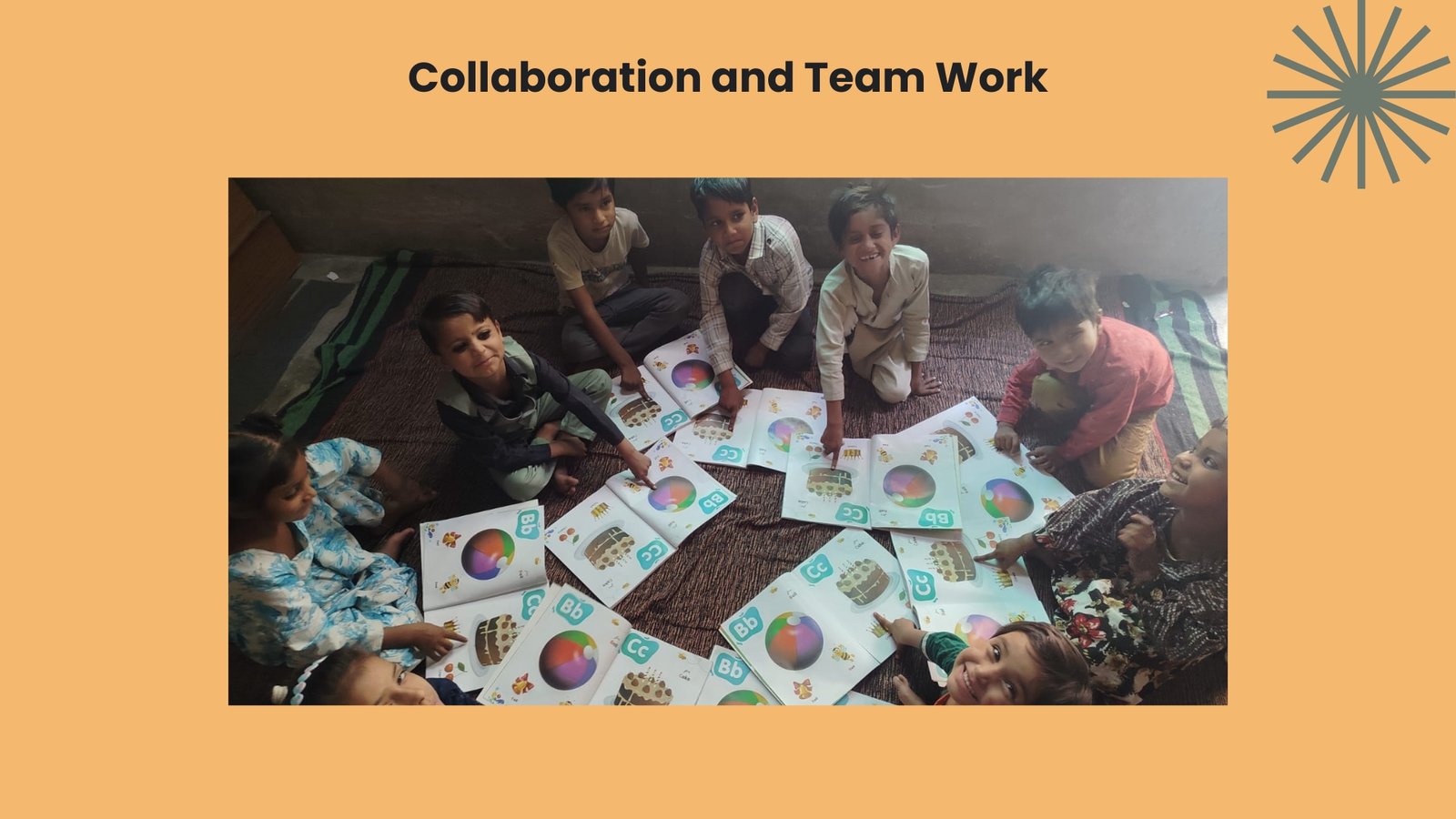
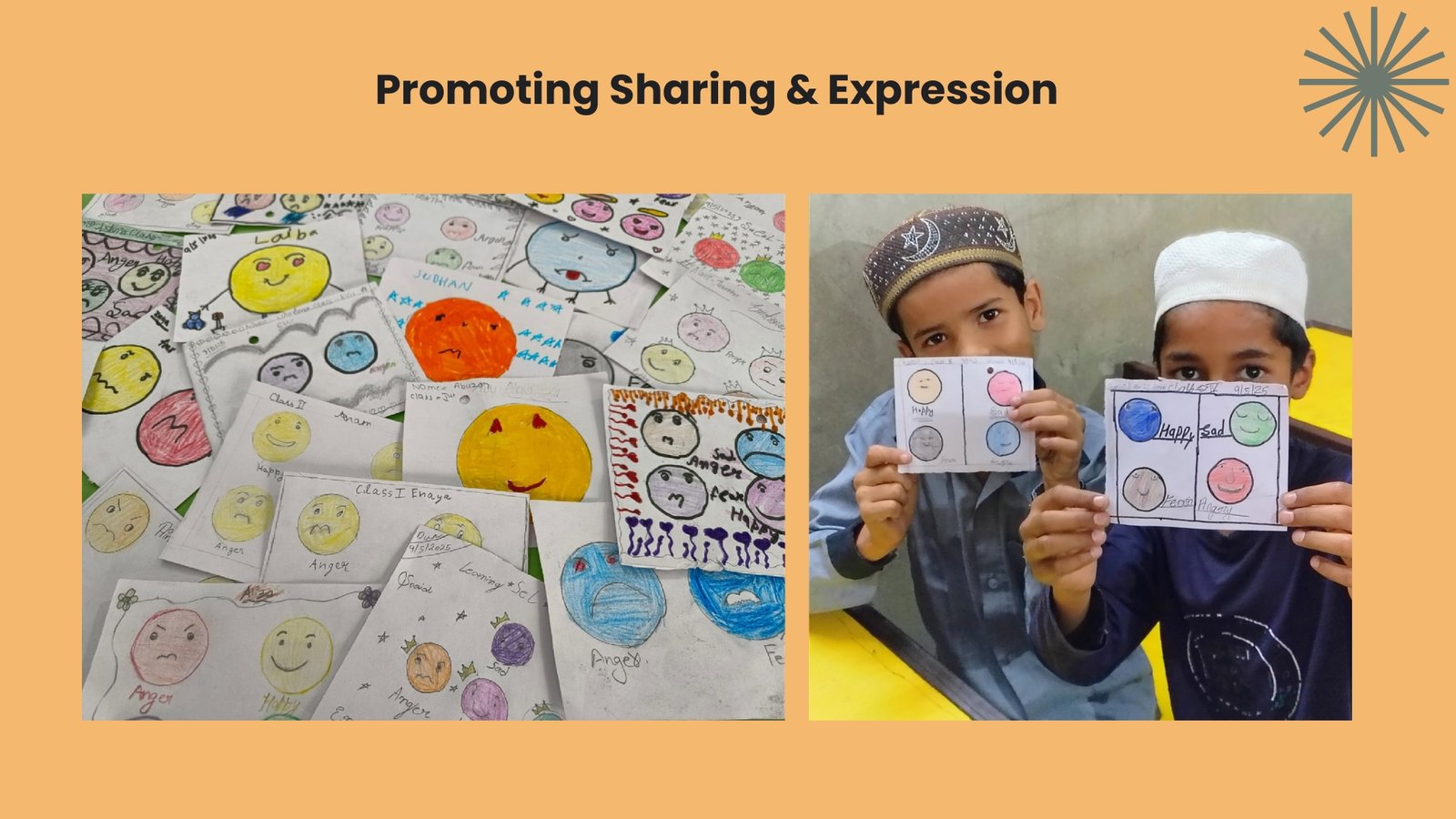
We introduced SEL as a dedicated class separate from academic subjects in July 2022. Since then, the transformation has been remarkable. We’ve observed significant positive shifts in the overall environment within the working team, in teacher dynamics, and in the way teachers relate to children. Classroom relationships have become more empathetic, emotionally attuned, and inclusive, creating a healthier and more supportive space for both teaching and learning.

उड़ान
How Our Free Education Programs Create Real Impact
Contact us

If you have any questions, criticisms or suggestions please contact us.

Social Emotional Learning at Hamara School

Understand how we help children build emotional intelligence, confidence, and essential life skills alongside academics.

What is Social Emotional Learning (SEL)?

SEL is an educational approach that helps students develop emotional intelligence, empathy, and social skills.

SEL helps children manage emotions, build relationships, and make responsible decisions.

SEL is integrated through classroom activities, discussions, and mentorship programs.

Students learn self-awareness, self-management, social awareness, relationship skills, and decision-making.